


We often get asked: "Why do I need a specialized time-lapse camera? Can't I just use my phone or a GoPro?"
While both regular photography and time-lapse capture images, they are fundamentally different disciplines. Regular photography is about capturing a moment. Time-lapse is about capturing a process.
This guide explains the technical differences and why trying to use a regular camera for a long-term project is a recipe for disaster.
The Core Difference
Regular Photography: 1 Photo = 1 Story. (e.g., A wedding kiss).
Time-Lapse: 10,000 Photos = 1 Story. (e.g., A skyscraper rising from the ground).
1. The Challenge of Time: Seconds vs. Months

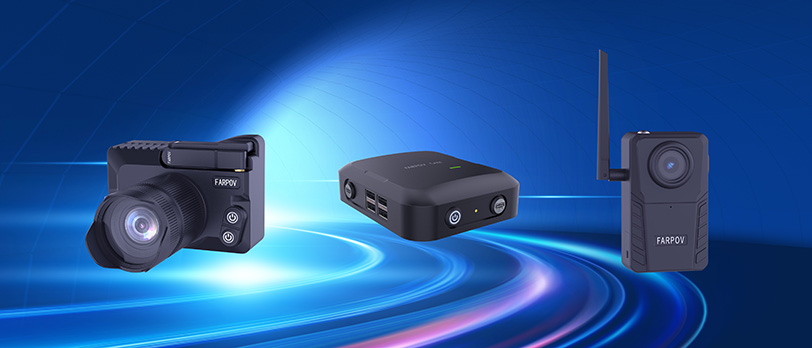
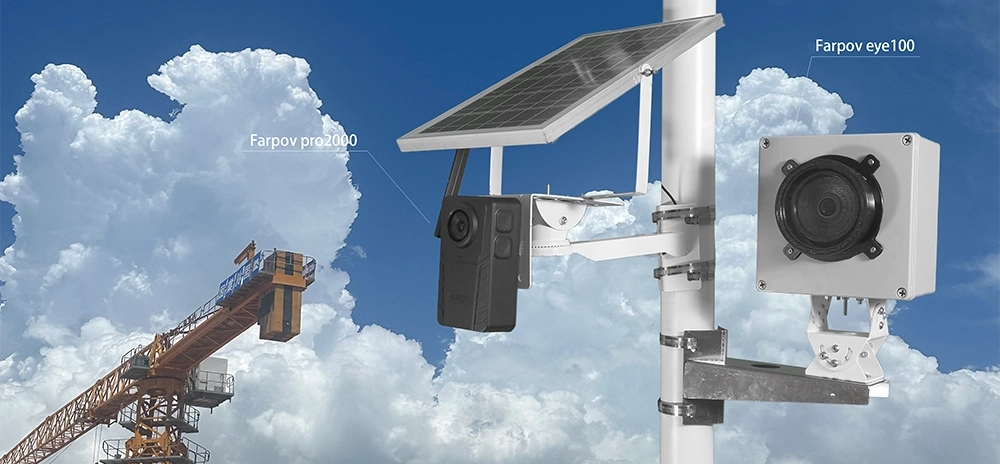
Regular cameras last hours. The Farpov 2000 lasts months.
A regular camera is designed to be operated by a human. You turn it on, take a shot, and turn it off.
A time-lapse camera, like the Farpov 2000, is a robot. It must wake up every 10 minutes, check the exposure, take a photo, upload it, and go back to sleep—24 hours a day, for 365 days.
Why Regular Cameras Fail at Time-Lapse:
Battery Drain: Keeping a sensor "ready" drains a standard battery in 2 hours.
Overheating: Continuous operation generates heat that shuts down consumer cameras.
Storage Limits: A standard SD card will fill up in a week. Who will go climb the pole to change it?
2. The Data Problem: Managing 50,000 Images
In regular photography, you might take 100 photos at an event and pick the best 5. In time-lapse, you need every single photo to be perfect.
If one photo is too dark (because a cloud passed by) or blurry, it creates a "flicker" in the final video that ruins the professional look.
The Farpov Solution: Our cameras use advanced algorithms to smooth out exposure changes automatically. Plus, with cloud connectivity, you don't just get a pile of files on an SD card; you get an organized timeline accessible from anywhere.
3. When to Use Which?
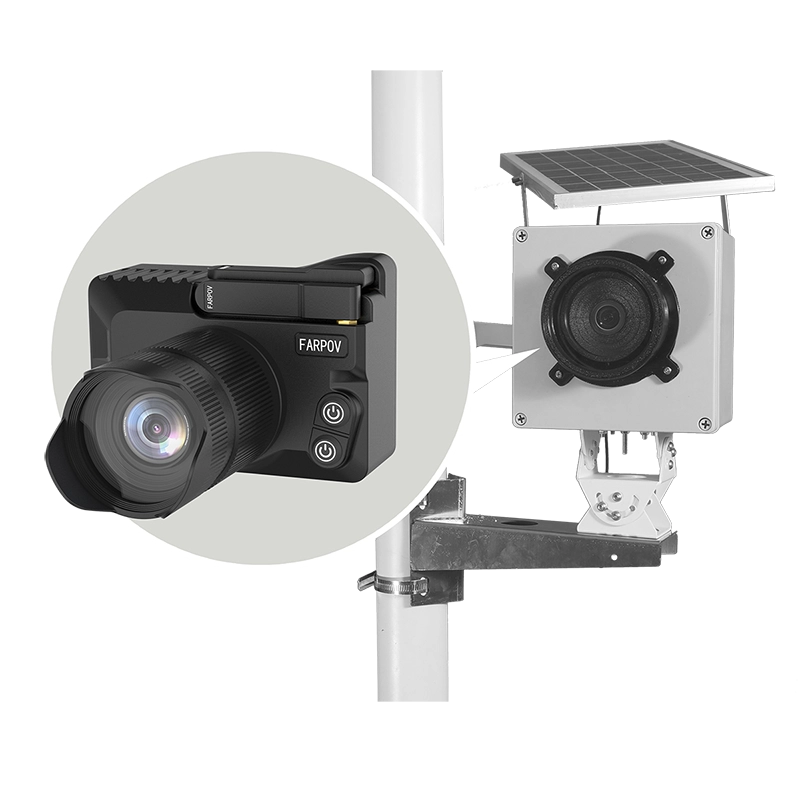
The Farpov Eye bridges the gap: High-quality optics with time-lapse intelligence.
| Scenario | Regular Camera | Time-Lapse Camera |
|---|---|---|
| Duration | Seconds / Minutes | Months / Years |
| Power Source | Internal Battery | Solar / External |
| Goal | High-Res Still Image | Video of Progress |
| Best Tool | DSLR / Mirrorless | Farpov Eye |
Conclusion
Don't force a regular camera to do a robot's job.
If you need to document a construction project, environmental change, or long-term event, you need a dedicated system like the Farpov 2000.
If you want the artistic quality of a DSLR but the intelligence of a robot, the Farpov Eye is the perfect hybrid.
Ready to start your time-lapse project?







 WeChat
 WhatsAPP